


Korea Reimagined: Cities, Spaces & Structures
Seoul
Gyeongju
Busan
Extension to Tokyo, Japan
Extension to Jeju, South Korea
- Royal Adventures
- $
- Sample Programs
- $
- Korea Reimagined: Cities, Spaces & Structures
Program Overview
Program Details
Duration: 10 Days
Locations: Seoul
Gyeongju
Busan
Extension to Tokyo, Japan
Extension to Jeju, South Korea
Program Highlights
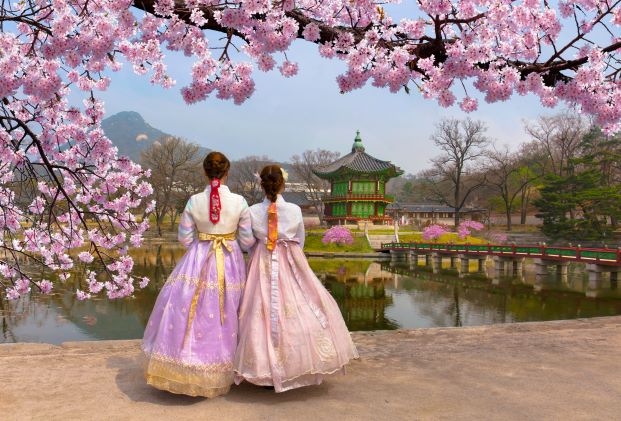
Experience the essence of Seoul as you journey through royal palaces, traditional hanok villages, and bustling markets.
Visit UNESCO World Heritage sites including Gyeongju’s Bulguksa Temple and Seokguram Grotto.
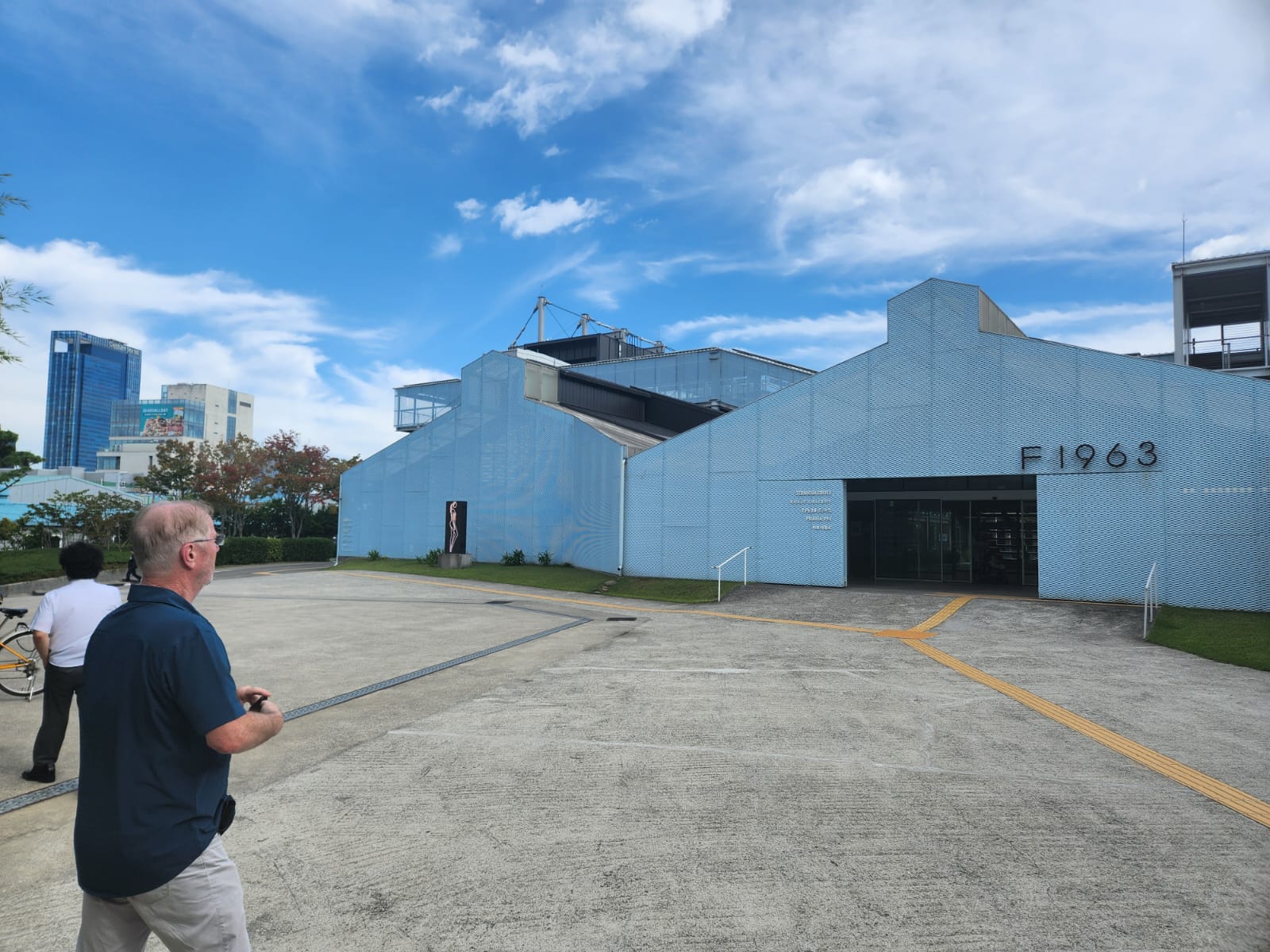
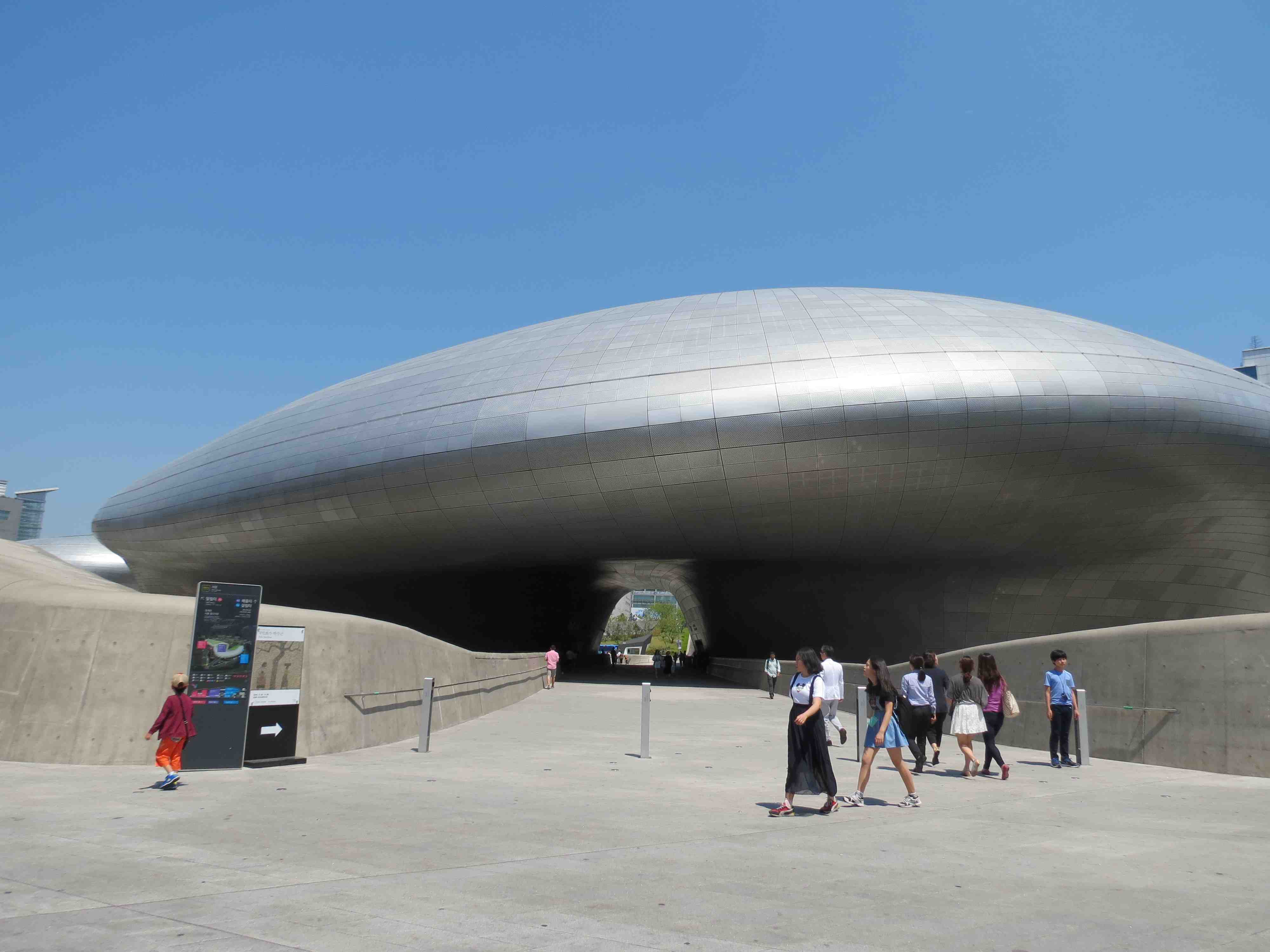
Discover Korea’s spirit of transformation at urban renewal landmarks like Dongdaemun Design Plaza and F1963 in Busan.
Step into history at the Demilitarized Zone, where past and present converge.
Shape your own moon jar in a hands-on workshop celebrating Korean artistry and tradition.
Itinerary
Day 1: U.S. to Seoul
Flight from the U.S. to Seoul, South Korea.
Day 2: Welcome to Seoul, South Korea
Arrive in Seoul and transfer to your hotel. Enjoy some leisure time to relax and adjust to the time difference. This evening, join the group for an orientation followed by a welcome dinner.
Day 3: Seoul - Tradition Meets Urban Renewal
Spend the day in Seoul immersing in traditional and modern culture. Begin by exploring Bukchon Hanok Village, wandering through historic hanok houses and trying on vibrant hanbok for photos. Experience the colorful Royal Guard-Changing Ceremony at Gyeongbokgung Palace, then tour its stunning grounds, including the Gyeonghoeru Pavilion and Hyangwonjeong Pond. In the afternoon, dive into the lively atmosphere of Namdaemun Market, Korea’s largest traditional market, filled with local goods and street food. Conclude the day with a relaxing stroll along Seoullo 7017, an innovative sky garden built atop a former highway that reconnects neighborhoods and offers a serene urban escape.
Day 4: From Division to Expression - The DMZ and Seoul’s Culture Tank
Depart on a day excursion to the Demilitarized Zone, where the armistice was signed in 1953, ending the 3-year-long Korean War. Learn more about the conflict at the DMZ theater before visiting the tunnel discovered in 1978, dug by North Korea to invade South Korea. End the field study visit at Dora Observatory, located within the DMZ, where one can view the civilian life of North Korea, such as farmlands, soldiers, and a propaganda village. In the afternoon, return to Seoul and visit the Oil Tank Culture Park—also known as the Culture Tank—an innovative urban regeneration project that transformed former oil storage tanks into a dynamic cultural space. Explore its open-air pavilions, exhibitions, and community areas that blend industrial history with artistic expression, offering a thought-provoking contrast to the morning’s exploration of Korea’s divided past.
Day 5: Layers of Seoul - History, Innovation, and Flavor
Begin the day at the Seoul City Wall Museum, where exhibitions highlight the history and significance of the ancient Seoul Fortress that once protected the city. Continue to Dongdaemun Design Plaza, a striking example of urban regeneration by architect Zaha Hadid. Built on the former site of Dongdaemun Stadium, DDP integrates preserved elements of the past with cutting-edge architecture and serves as a vibrant center for exhibitions, fashion, and design. Next, visit the UNESCO-designated Changdeokgung Palace and its Secret Garden, known for their elegant architecture and natural harmony. Conclude the day at Gwangjang Market, Korea’s oldest permanent market, now famous for its lively food alley and wide variety of traditional goods, offering a sensory experience of Seoul’s culinary and cultural heritage.
Day 6: Heritage, Nature, and Hands-On Tradition in Seoul
Start the day at Kansong Art Museum, Seoul’s first private museum, featuring national treasures like ancient scrolls, ceramics, paintings, and the original Hunmin Jeongeum text. Then visit Seonyudo Park, an ecological park on a former water treatment plant island in the Han River, blending industrial heritage with botanical gardens and scenic views. The day concludes in Seoul with a hands-on moon jar-making class, offering a unique cultural experience.
Day 7: Gyeongju - Ancient Temples and Illuminated Night Walks
Transfer from Seoul to Gyeongju to explore its rich historical treasures, beginning with a visit to the renowned Bulguksa Temple and its nearby Seokguram Grotto, both UNESCO World Heritage sites celebrated for their exquisite Buddhist architecture and serene surroundings. In the evening, enjoy a tranquil night walk across Donggung Palace and Wolji Pond, where the beautifully illuminated Woljeonggyo Bridge creates a magical atmosphere, offering a perfect blend of history and scenic beauty.
Day 8: Busan’s Urban Renewal, Coastal Heritage, and Seafood Culture
After transferring from Gyeongju to Busan, start with a visit to F1963, a remarkable example of urban regeneration where a former wire manufacturing factory has been transformed into a lively cultural complex featuring art galleries, a bookstore, cafes, and event spaces, all while preserving its original industrial charm. Then explore Huinnyeoul Culture Village, perched above the cliffs of the Jeoryeong Coastal Trail, where small houses cluster along narrow alleys by the sea. This area, once Busan’s original downtown and home to refugees, was revitalized into a vibrant cultural and artistic community in 2011, reflecting the spirit of Yeongdo. Finally, experience the bustling Jagalchi Market, Korea’s largest seafood market, located along Busan’s seaside. Famous nationwide, the market is known for its “Jagalchi Ajumma,” women vendors selling fresh and dried fish. Visitors can enjoy fresh raw seafood and witness the lively market atmosphere, with vendors selling their catch on wooden boxes along the road and shore.
Day 9: Busan’s Vibrant Art and Urban Renewal
Discover Busan’s blend of history and creativity with a visit to Gamcheon Culture Village, famously known as the “Machu Picchu of Korea” or “Santorini of Korea.” This colorful village, built on terraced fields, offers winding alleys and pastel-painted houses where each home enjoys an unobstructed view. The area has been transformed into a vibrant cultural hub that encourages community collaboration and creative expression. Next, explore Busan Citizens Park, a remarkable urban renewal project that converted a former military base into a green, welcoming space filled with trails, cultural venues, and recreational areas. This park highlights Busan’s commitment to preserving its past while fostering a healthier, more connected urban environment.
Day 10: Departure
Transfer to Busan Airport for Flights Returning to the U.S.